Toyota Corolla Door Seal Kit Review – Less Wind Noise and Better Door Closing Sound
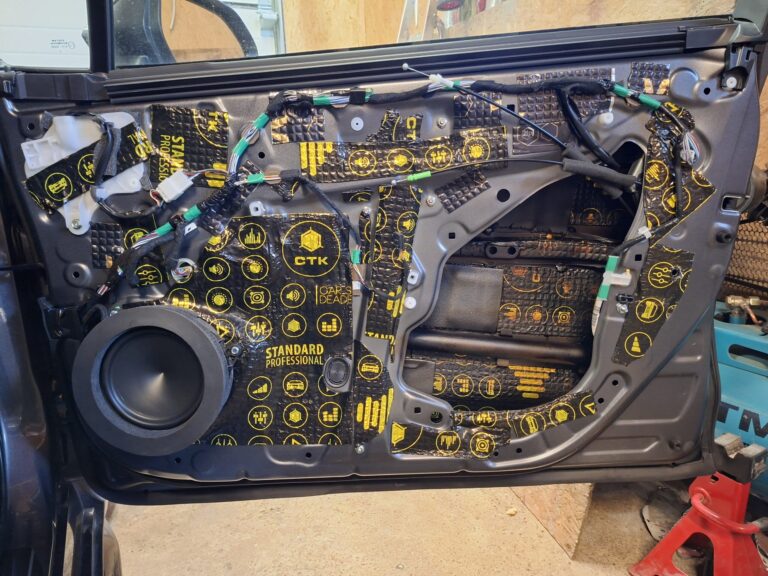
After sound deadening the doors on my Toyota Corolla Touring Sports, I decided to try a Toyota Corolla door seal kit as another small improvement to make the cabin quieter and the doors feel more solid.
One of the inexpensive upgrades I tried was a model-specific additional door seal kit made for the Toyota Corolla. I bought a model-specific complete kit from Temu and installed the additional rubber seals around the doors myself.
The result was better than I expected.
The biggest difference was actually the way the doors close. They now shut with a much deeper, more muted sound instead of the lighter factory sound. It gives the car noticeably more of a premium or “luxury car” feeling.
There was also an improvement in wind noise, especially once driving above roughly 90 km/h.
Why I Added Extra Door Seals
The Corolla already has factory weather seals, but there are still several areas around the doors where additional rubber sealing can be added.
My goal was not to make the car completely silent. I mainly wanted to reduce some of the wind whistle around the doors and see whether adding another sealing surface would make the doors sound more substantial when closing.
Since I had already sound-deadened all four doors, this seemed like a logical next step.
The Door Seal Kit
The kit I used was not a universal roll of rubber weather stripping. It was sold specifically for the Toyota Corolla and included different sections intended for different parts of the doors.
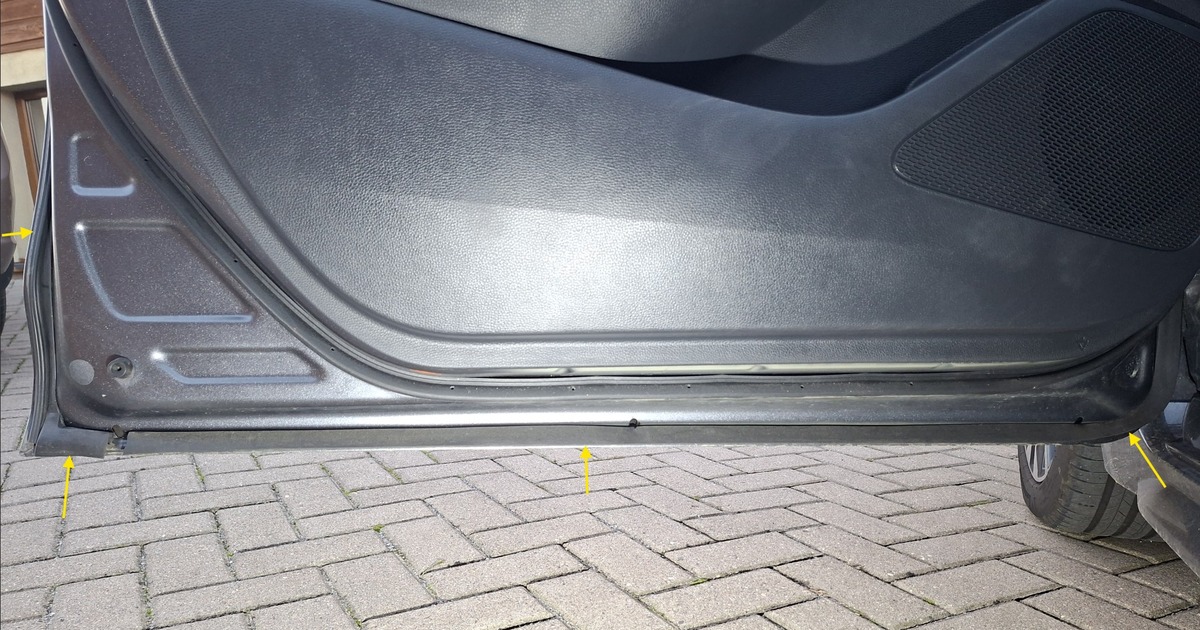
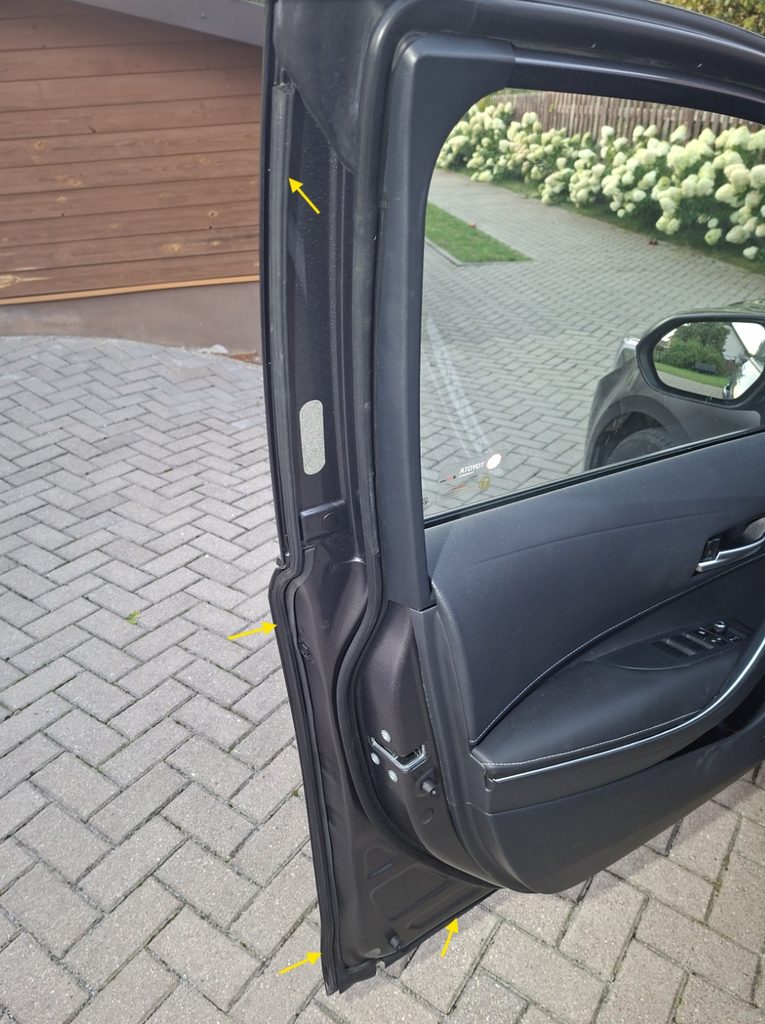
The seals are self-adhesive and are installed along areas such as:
- the lower edge of the doors;
- vertical door edges;
- the area between the front and rear doors;
- sections around the door frame.
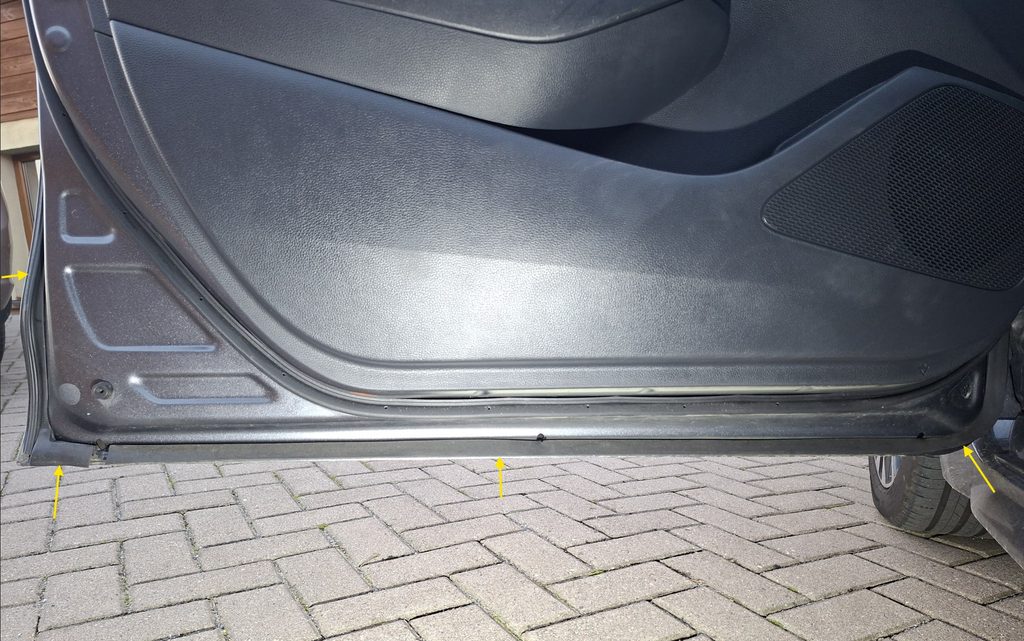
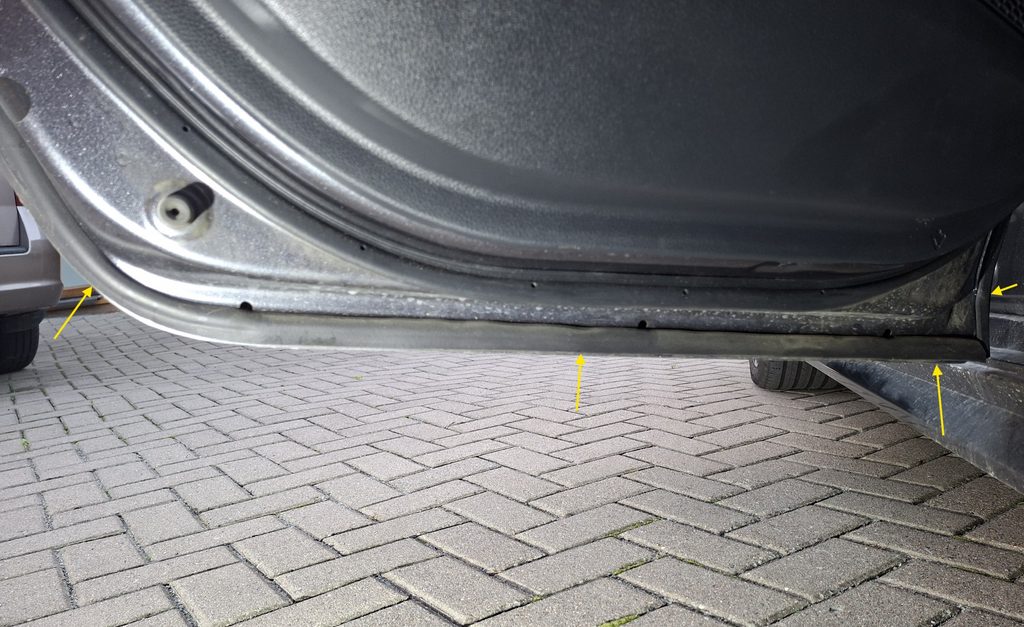
Before sticking anything permanently, I recommend checking the complete routing of each seal and making sure it does not interfere with the original Toyota weather stripping, hinges, wiring boots or door movement.
Installing the Additional Door Seals
Installation itself is quite straightforward.
I cleaned the surfaces first so that the adhesive had a clean surface to bond to. After checking the position, I gradually removed the adhesive backing and pressed the rubber seal firmly into place.
It is worth taking your time around corners and around the hinge side of the door. A seal that looks correctly positioned while the door is open may become compressed differently once the door is closed.
Lower Door Seals and Water Drain Holes
There is one important detail that I would definitely check when installing this type of kit.
Toyota doors have drainage openings along the lower edge. Water can enter the inside of a car door during rain or washing, and these openings allow it to drain out.
The additional rubber seals in my kit did not have matching cut-outs for these drainage holes.
I therefore cut small openings in the rubber myself wherever the seal crossed a factory drain hole.
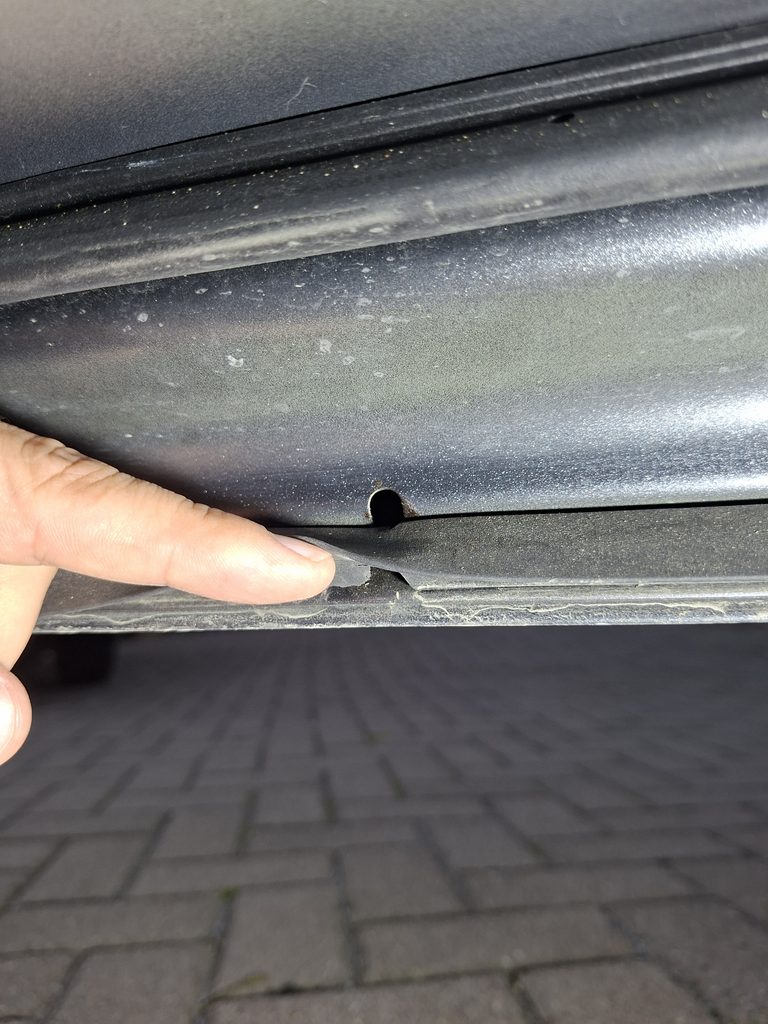
This is an easy detail to overlook, but I would not recommend simply covering the drain openings with the new seal.
Before finishing the installation, check the entire bottom of every door and make sure all factory drainage points remain open.
How the Seals Fit Around the Doors
Once installed, the additional rubber creates another contact area between parts of the door and body.
From the outside the modification is quite discreet. With the doors closed, most of the additional sealing is barely noticeable.
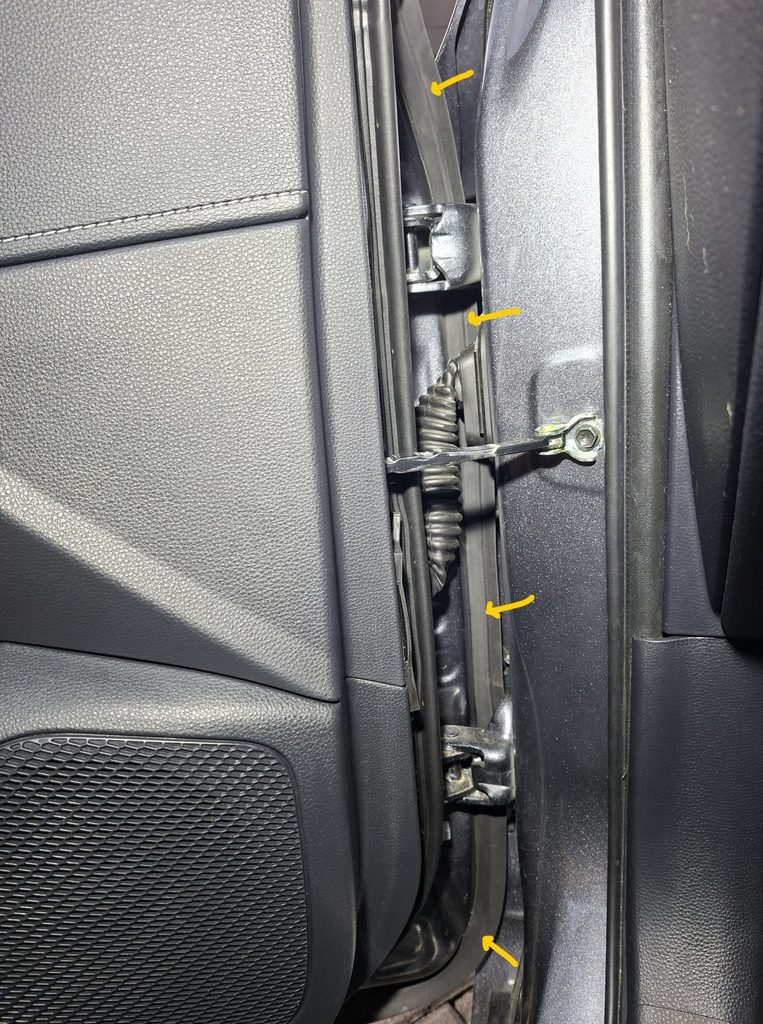
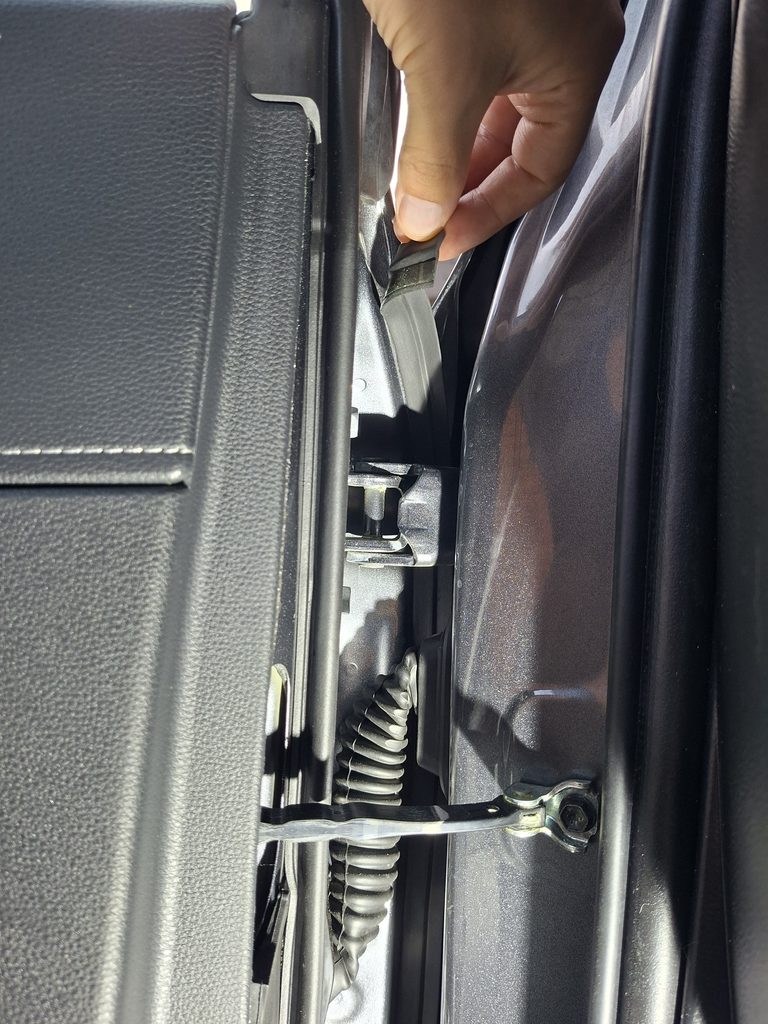
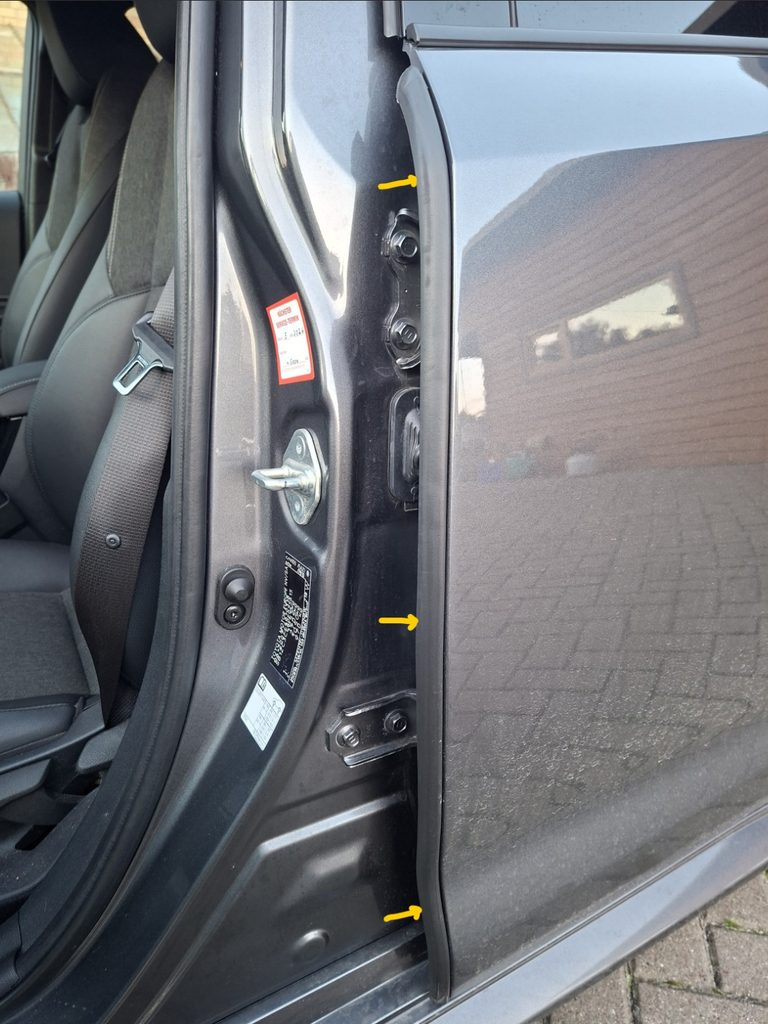
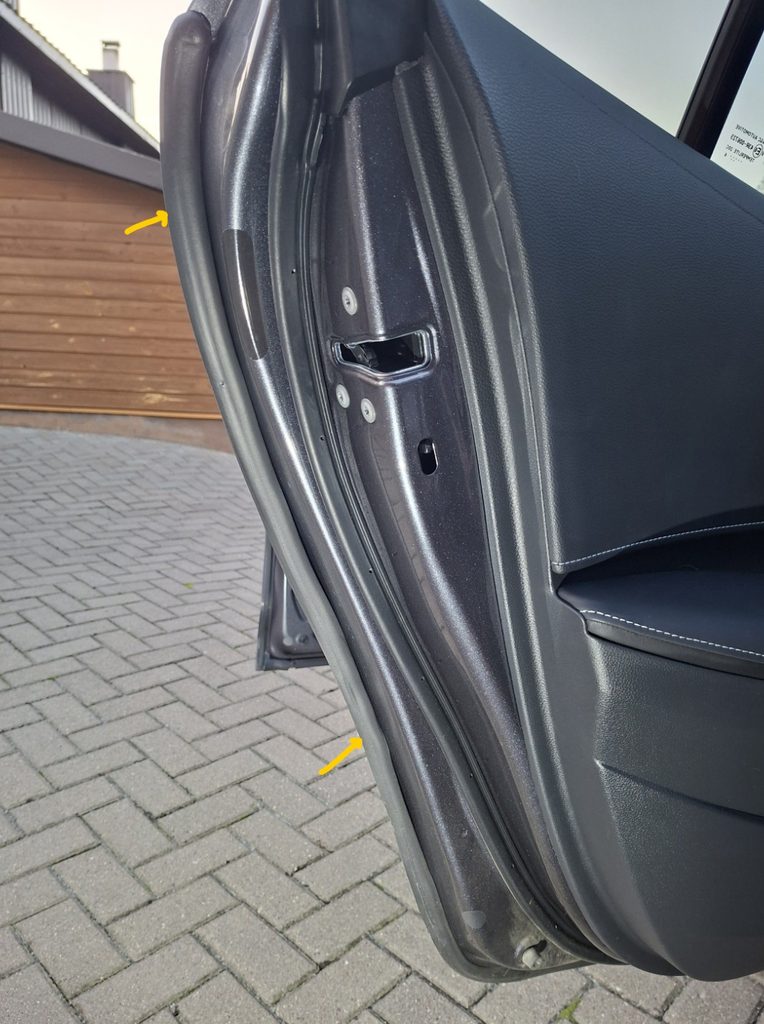
Additional Corolla-specific sealing installed around the edge of the rear door.The Biggest Improvement: Door Closing Sound
This was the most noticeable change for me.
After installing the seals, the doors no longer close with the same relatively light sound they had before.
Instead, there is now a deeper, lower-frequency and more muted thump when the door closes.
It is difficult to describe through text, but the difference is immediately noticeable when using the car every day.
The door feels and sounds more substantial, and the overall impression is closer to what I associate with a more expensive car.
Of course, the extra rubber does not physically transform the construction of the door. The improvement is mainly caused by the additional sealing and cushioning when the door reaches the closed position.
But from the driver’s perspective, the effect is surprisingly satisfying.
Did the Extra Door Seals Reduce Wind Noise?
Yes, although the improvement should be kept in perspective.
At lower speeds the difference is relatively subtle. Once I get above approximately 90 km/h, however, the improvement becomes easier to notice.
There is less of the sharper wind whistle that I previously heard around the doors, particularly during highway driving.
The car is not suddenly silent. There is still general aerodynamic noise, and some wind noise is transmitted through the glass and other parts of the body.
What changed most was the amount of obvious whistling around the door area.
So I would describe the result as:
noticeably less wind whistle rather than complete wind-noise elimination.
For an inexpensive DIY modification, I consider that a good result.
Does Adding Door Seals Make the Corolla Harder to Close?
Immediately after installing additional seals, it is worth checking every door several times.
Extra rubber naturally increases compression when the door closes. Depending on the thickness and exact position of the seal, a door may initially require slightly more force.
In my installation, the main noticeable change was not difficulty closing the doors but the much deeper closing sound.
Still, I would avoid adding additional layers of universal rubber on top of a complete model-specific kit. Too much sealing material could create unnecessary pressure against the door.
Was the Toyota Corolla Door Seal Kit Worth It?
For me, the Toyota Corolla door seal kit was worth installing.
This is not the type of modification that transforms cabin noise on its own, but it improves several small things at the same time.
The doors sound significantly better when closing, the car feels slightly more refined, and highway wind whistle has been reduced.
Combined with the sound deadening already installed inside the doors, it is another useful step toward making the Corolla Touring Sports cabin quieter and more solid.
The important thing is to install the seals carefully and, especially, not to block the factory water drainage holes at the bottom of the doors.
For the relatively low cost and simple installation, I would do this modification again.
Final Result
After installing the Toyota Corolla door seal kit, these were the main differences I noticed:
- the doors close with a deeper and more muted thump;
- the closing action gives the car a more premium feeling;
- wind whistle is reduced, particularly above around 90 km/h;
- general wind noise is still present through the windows and body;
- the modification remains almost invisible with the doors closed;
- factory water drainage openings must remain unobstructed.
It is a relatively small modification, but it is one that I notice almost every time I close the door.